

Why Does My Retainer Hurt?
May 22, 2025
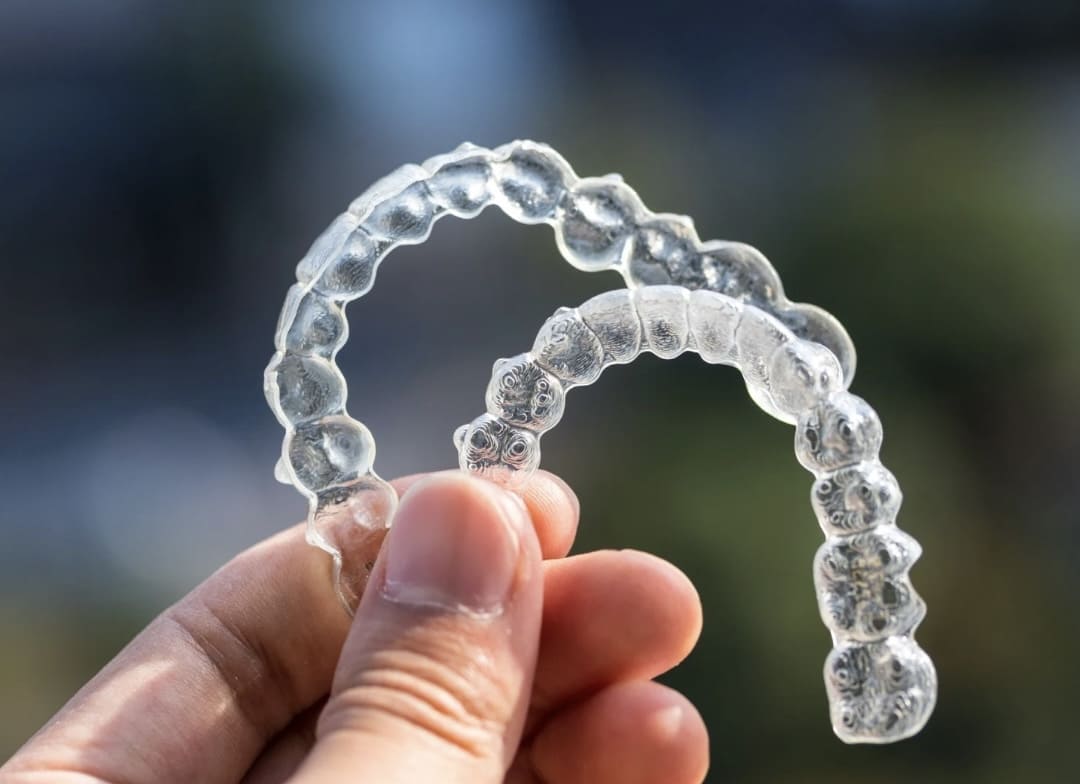
Is your retainer suddenly uncomfortable or even painful? You’re not alone—and no, you’re not doing anything wrong. Whether it’s your first time wearing a retainer or you’ve picked it back up after a break, unexpected soreness can be frustrating and even a little worrying.
At Parsons Orthodontics, we hear this question all the time: “Why does my retainer hurt?” The answer isn’t always one-size-fits-all—but the good news is that most retainer discomfort is temporary, treatable, and totally normal.
In this guide, we’ll walk you through what causes retainer pain, when it’s nothing to worry about, and when it’s time to give us a call. More importantly, we’ll help you feel confident—and comfortable—about your orthodontic care moving forward.
Is It Normal for Retainers to Hurt?
Yes, it’s normal—but only to a point. If your retainer is causing some discomfort, especially in the first few days, you’re likely experiencing what many others do. Whether it’s a brand-new appliance or one you’re returning to after a break, a little tightness or soreness is part of the adjustment period.
Retainers are designed to hold your teeth in the positions carefully achieved through braces or aligners. So when you put your retainer in, it applies gentle but constant pressure. This pressure is what helps keep your smile in place—but it can also make your teeth feel tender, especially if they’ve started to shift even slightly.
You might notice the discomfort is more noticeable when you first wake up or put your retainer in after a few hours without it. This is common and often described as a dull ache or tightness, especially around the front teeth. It usually fades as your mouth readjusts, typically within a day or two.
However, there’s a difference between normal retainer pain and something that deserves a second look. If the pain is sharp, doesn’t improve with time, or keeps you from eating, speaking, or sleeping comfortably, it could be a sign that something else is going on—like a poor fit, tooth movement, or even a damaged appliance.
At Parsons Orthodontics, we always encourage our patients to listen to their bodies. If something feels off, don’t try to tough it out. You deserve a retainer that fits well and keeps your smile healthy—without causing unnecessary pain. We’re just a call away and happy to help you figure out what’s going on.
Common Reasons Your Retainer Might Hurt
Not all retainer pain is created equal. In fact, the reason behind your discomfort can vary widely depending on how long you've had your retainer, how often you wear it, and whether it still fits the way it should. Understanding the why behind the pain is the first step to fixing it.
For some patients, the issue is simply a matter of consistency—missing a few days can lead to shifting teeth and increased pressure when the retainer goes back in. For others, the culprit might be a damaged appliance, a poor fit, or even a new retainer that your mouth just hasn’t adapted to yet.
Let’s take a closer look at the most common causes of retainer discomfort, so you can identify what’s going on and take the right next steps toward relief.
You Haven’t Worn It Consistently
If your retainer hurts after not wearing it, you’re likely feeling the effects of tooth movement. Even short breaks—like skipping a day—can cause subtle shifts. When you put your retainer back in, it has to work harder to move your teeth back into place, which can lead to soreness.
Your Teeth Have Shifted
Life happens. If it hurts to wear your retainer and you’ve been off your routine, your teeth may have started to move. This can make the retainer feel tight or even painful. You might notice that your retainer doesn’t fit properly or that it hurts your teeth more than usual. That’s a sign it’s time to check in with your orthodontist.
Your Retainer Is Damaged or Warped
Retainers are durable, but they’re not invincible. Leaving them in hot water, in a car, or near heat sources can cause them to warp. A warped retainer may no longer fit correctly, putting uneven pressure on your teeth and leading to discomfort.
If your retainer feels tight in strange places or pinches a particular tooth, examine it closely—or better yet, have a professional take a look.
You Just Got a New Retainer
New retainer pain is common in the first few days. Your teeth are adjusting to the new appliance, and that mild tenderness—especially when removing or reinserting it—is expected. This retainer adjustment discomfort usually fades within a week.
It’s Pressing Against Gums or Soft Tissue
If your retainer hurts your gums or the roof of your mouth, it could be pressing where it shouldn’t. You may notice raw spots or irritation, especially if you’re using a hard acrylic or wire-based retainer. This discomfort can be fixed with minor adjustments.
How Long Should Retainer Pain Last?
Mild soreness or pressure is a common part of wearing a retainer—especially if it’s new or you’ve gone a while without wearing it. In most cases, this type of discomfort is short-lived and should ease up within a day or two. It’s your body’s way of adjusting to the gentle pressure being applied to keep your teeth in alignment.
Most patients describe the sensation as a dull ache or tightness, particularly when first putting the retainer in. This usually fades as your teeth settle back into position. If you're wearing your retainer consistently as directed, your mouth will likely adapt quickly and the discomfort should become minimal or nonexistent.
That said, persistent pain is a red flag. If it still hurts after 4 to 5 days—or the pain is getting worse instead of better—it may be a sign of an underlying issue. This could be anything from subtle tooth movement to an ill-fitting or damaged appliance.
As a general rule, retainer pain shouldn’t last more than a week. If you find yourself relying on pain relievers, struggling to eat, or avoiding your retainer altogether because of the discomfort, it’s time to contact your orthodontist. A quick check-in can make all the difference in protecting your smile and your comfort.
When to Worry About Retainer Pain
A little soreness at the beginning is completely normal—but not all pain should be brushed off. If your discomfort feels sharp, intense, or lingers longer than expected, your retainer might be doing more harm than good.
Here are a few warning signs that your retainer pain deserves attention:
- The pain is getting worse instead of better — Retainers should never cause increasing discomfort. If each day feels more painful than the last, something isn’t right.
- You feel throbbing or sharp pain when biting down — This could point to pressure on the wrong teeth or a misaligned fit.
- Your gums or mouth are swollen, bleeding, or inflamed — These are signs of irritation or injury and could lead to infection if left untreated.
- You notice sores, raw spots, or cuts — A retainer that rubs in the wrong place can damage soft tissue and should be adjusted.
- Your retainer is cracked, bent, or visibly misshapen — A damaged appliance won’t fit properly and may put uneven pressure on your teeth.
If you notice any of these red flags, don’t wait it out. Retainers are meant to maintain your smile—not compromise it. Getting professional guidance from your orthodontist can prevent further discomfort and help keep your treatment on track.
Tips to Relieve Retainer Discomfort at Home
Not every case of retainer discomfort means something is wrong. In fact, minor soreness—especially during the first few days—is your body’s natural response to gentle pressure on the teeth and gums. Fortunately, there are several simple things you can do at home to ease the pain and help your mouth adjust more smoothly.
Rinse with Warm Saltwater
A saltwater rinse is one of the oldest and most effective ways to reduce mouth pain. The warm water helps soothe irritated tissues, while the salt works as a natural antiseptic—reducing inflammation and promoting healing. If your retainer is causing small sore spots on your gums or inner cheeks, swishing with saltwater a few times a day can make a big difference.
How to do it: Mix about half a teaspoon of salt into a glass of warm water and swish gently for 30 seconds.
Use Dental Wax
If your retainer has wires or edges that rub against your gums, cheeks, or the roof of your mouth, dental wax is your best friend. It creates a smooth, protective layer over any sharp or irritating areas, giving the soft tissues in your mouth a chance to heal.
Tip: Roll a small piece of wax between your fingers and press it onto the troublesome spot on your retainer. Reapply as needed, especially after eating or cleaning.
Try a Cold Compress or OTC Pain Relief
When the discomfort feels more like a dull ache or soreness in your jaw, a cold compress can reduce swelling and numb the area temporarily. Holding an ice pack or a cold cloth to the outside of your face (near the sore spot) can help ease tension in the jaw muscles.
For stronger relief, over-the-counter pain relievers like ibuprofen or acetaminophen can help manage inflammation and reduce overall discomfort—just make sure to follow dosing instructions.
Wear It Consistently
This might sound counterintuitive, but skipping days only makes the pain worse. Each time you go without your retainer, your teeth begin to shift. When you put it back in, it has to work harder—causing more pressure and more pain.
Consistency is key: Wearing your retainer daily (as instructed by your orthodontist) helps your mouth adjust and keeps things stable. Over time, the discomfort fades, and your retainer becomes part of your routine again.
These simple strategies can help you manage minor pain at home and avoid unnecessary appointments. But remember—if things aren’t improving after a few days, or if the pain is interfering with your day-to-day life, it’s time to reach out to your orthodontist for support.
Should You See Your Orthodontist?
If your retainer pain isn’t getting better—or it’s starting to interfere with your daily life—it’s a good idea to reach out. You don’t need to wait until things feel serious. Whether your retainer no longer fits, feels unusually tight, or is showing signs of damage, your orthodontist can help you get to the root of the issue quickly and comfortably.
Sometimes all it takes is a small adjustment or a replacement retainer to get things back on track. Other times, your teeth may have shifted slightly and just need some extra attention. Either way, getting professional advice for retainer pain ensures you’re protecting your smile—and your peace of mind.
At Parsons Orthodontics, we’re always here to listen, support, and help you feel confident with your treatment. You're never bothering us by asking questions—it's what we're here for.
Retainers shouldn’t hurt. And if they do, it’s a sign your smile could use a little expert support. At Parsons Orthodontics, we specialize in making sure your appliance fits well, feels good, and does exactly what it’s supposed to—without causing unnecessary discomfort.
If you’re unsure whether your pain is normal or just want a professional to take a look, we’d be happy to help. We offer complimentary consultations to assess your retainer, check for tooth movement, and walk you through the best next steps—no pressure, just honest care. Keeping your smile healthy should feel as good as it looks.

