

What Do Rubber Bands Do for Braces?
January 17, 2025
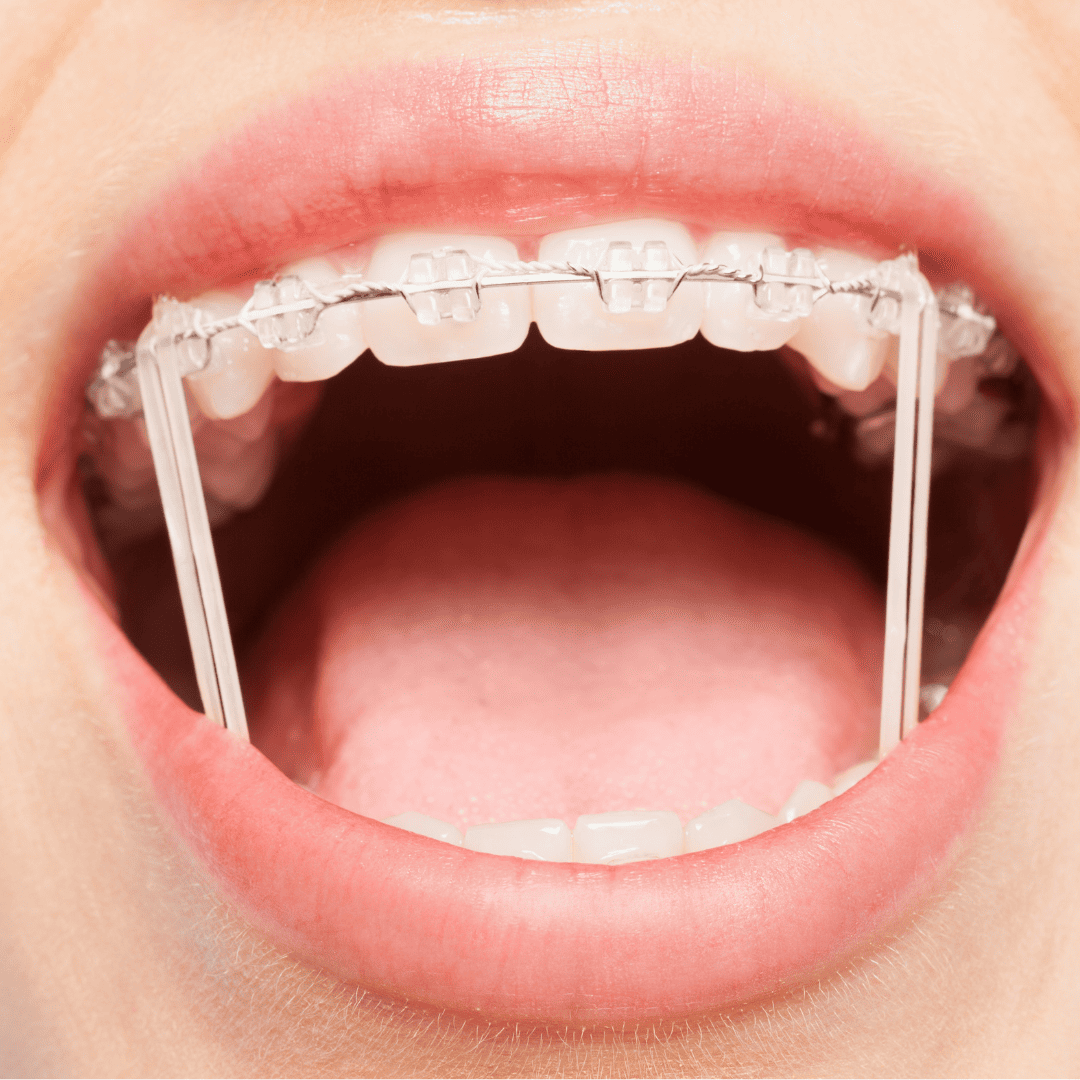
Let’s face it—braces are like the unsung heroes of orthodontics, working tirelessly to straighten teeth and perfect smiles. But have you ever wondered about the tiny rubber bands often paired with them? These little elastics may seem insignificant, but they pack a punch when it comes to transforming your smile.
So, what exactly do rubber bands for braces do? Think of them as the secret sauce of orthodontic treatment—they help bring everything together! By adding just the right amount of extra pressure, rubber bands guide your teeth and jaw into alignment, making the entire process smoother and more effective.
Curious to learn more about these small yet mighty tools? Let’s dive in and uncover why rubber bands are an essential ingredient in the recipe for a perfect smile.
What Are Rubber Bands for Braces?
When it comes to braces, most people think of the brackets and wires, but rubber bands—or elastics—are the unsung heroes of orthodontic treatment. These small yet powerful tools aren’t just there for show. Instead, they serve a critical purpose in helping your braces do their job.
So, what exactly are orthodontic rubber bands? In simple terms, they are stretchy elastics designed to connect different parts of your braces. Unlike the colorful bands wrapped around the brackets (which are mostly decorative), these elastics are all about function. They work by applying controlled pressure, ensuring your teeth and jaw move in the right direction.
Here’s the interesting part: rubber bands come in various sizes, thicknesses, and strengths. Your orthodontist selects them based on your unique treatment plan. In short, they may look small, but their role in creating a perfectly aligned smile is anything but minor.
Why Are Rubber Bands Important for Braces?
Rubber bands might seem like a small addition to your braces, but they’re actually one of the most important components of your treatment. Here’s why:
First and foremost, rubber bands apply targeted pressure where it’s needed most. While the brackets and wires handle a lot of the heavy lifting, they can’t do everything on their own. Elastics step in to provide extra force, guiding your teeth and jaw into their ideal positions.
Next, they play a vital role in correcting bite issues. If you have an overbite, underbite, or crossbite, rubber bands help bring your upper and lower teeth into alignment. For example, they can gently pull your jaw forward or backward, depending on what your bite needs.
And finally, they keep your treatment on track. By wearing your rubber bands consistently (just like your orthodontist recommends), you can ensure your braces work as efficiently as possible. This means less time in braces and a smoother path to your dream smile.
In other words, whether they’re referred to as rubber bands for bite correction or simply orthodontic elastics, these little bands make a big impact. They might feel like a bit of a hassle at first, but they’re absolutely worth it when you see the final results.
Types of Rubber Bands Used in Braces
Not all rubber bands are created equal—each type is designed with a specific purpose in mind, tailored to meet different orthodontic needs. Depending on your treatment plan, your orthodontist will choose the type of elastic that works best for your unique smile. Let’s break it down and explore the most common types of rubber bands used in braces.
Class I Elastics
First up, we have Class I elastics. These are the simplest of the bunch and are used within the same dental arch (either the top or bottom row of teeth).
Class I elastics are often used to close small spaces between teeth or to adjust their alignment within a single row. Think of them as the fine-tuners, making minor corrections that help perfect your smile.
For example, if you have slight gaps in your teeth after your initial adjustments, Class I elastics can help close those spaces, ensuring everything looks seamless by the end of your treatment.
Class II Elastics
Next, we have the Class II elastics, which are like the heavy hitters of bite correction. These elastics stretch between the upper teeth and lower teeth, typically connecting from the upper canines to the lower molars.
Their primary job? Correcting an overbite, where the upper teeth protrude too far forward compared to the lower teeth. By applying steady pressure, Class II elastics help bring the upper teeth and jaw back into proper alignment with the lower teeth.
If you’ve ever heard someone say their rubber bands are "fixing their bite," chances are they’re using Class II elastics. While they require patience, the results are well worth it—a balanced, harmonious bite and improved function.
Class III Elastics
Last but certainly not least, Class III elastics work in the opposite direction of Class II. These elastics are used to correct an underbite, where the lower teeth stick out farther than the upper teeth.
Class III elastics are typically attached from the lower canines to the upper molars. They work by gently pulling the lower jaw backward or encouraging the upper jaw to move forward, depending on what’s needed.
These elastics are key for creating a natural bite where the upper and lower teeth align perfectly, not just for aesthetics but also for proper chewing and speaking functions.
Each type of rubber band plays a specific role in your orthodontic journey. While Class I focuses on fine adjustments, Class II and III tackle the bigger challenges of bite correction. And the best part? Your orthodontist knows exactly which combination will bring out the best in your smile.
The key to success with any of these elastics is consistency. Wearing them as prescribed ensures they can do their job effectively, bringing you closer to a perfect smile with every passing day.
Common Challenges When Wearing Rubber Bands
As an orthodontic specialist, I know that wearing rubber bands can sometimes feel like a hassle. It’s normal to encounter a few bumps along the way, but with the right strategies, these challenges can be overcome. Let’s address the most common issues and how to deal with them like a pro.
- Discomfort or Soreness
At first, rubber bands can feel uncomfortable or even slightly painful as they apply additional pressure to your teeth and jaw. This discomfort is completely normal and usually subsides within a few days.
Tip: To ease the soreness, try over-the-counter pain relievers or rinsing your mouth with warm salt water. And remember, consistent wear helps your mouth adjust more quickly, so stick with it!
- Rubber Bands Snapping
Rubber bands can occasionally snap, especially if they’re stretched too far or have been worn too long. This can be frustrating, but it’s usually a sign that the elastic has done its job and needs replacing.
Tip: Always carry extra elastics with you! Your orthodontist will provide plenty of spares, so keep some in your bag, car, or pocket for quick replacements.
- Forgetting to Wear Them
Let’s be honest—life gets busy, and it’s easy to forget to put your elastics back in after meals or brushing. Unfortunately, even a few missed hours can set your progress back.
Tip: Use reminders! Set alarms on your phone, leave sticky notes on your mirror, or even download an app designed to keep you on track with your orthodontic treatment. The more consistent you are, the faster you’ll see results.
By addressing these challenges head-on, you’ll not only make wearing rubber bands easier but also ensure your treatment stays on schedule.
What Happens If You Don’t Wear Your Rubber Bands?
Rubber bands may seem like a small part of your braces, but skipping them can have a big impact on your treatment. Here’s what can happen if you don’t wear them as instructed:
- Delays in Treatment
Rubber bands are designed to provide the precise pressure needed to move your teeth and align your jaw. Without them, your braces can’t do their job as effectively, which means your treatment could take much longer than expected.
- Incomplete Results
Not wearing your elastics consistently can lead to incomplete corrections. For example, your teeth might straighten, but your bite could remain misaligned, requiring additional adjustments down the road.
- Risk of Relapse
Skipping rubber bands increases the risk of your teeth shifting back to their original positions. This could undo some of the hard work you and your braces have already accomplished.
Rubber bands are the finishing touch in many orthodontic treatments. They bring everything together by ensuring your teeth and jaw are properly aligned. Think of it this way: wearing your elastics as instructed is the fastest way to get your braces off and reveal that perfect smile you’ve been working toward.
By committing to wearing your rubber bands regularly, you’ll avoid setbacks and get the best possible results. If you have any questions or concerns about your treatment, don’t hesitate to reach out to your orthodontist—we’re here to help!
Rubber bands may be small, but their role in orthodontic treatment is anything but minor. These tiny powerhouses work alongside your braces to fine-tune your teeth and jaw alignment, making them an essential part of achieving your dream smile. Whether they’re helping to close gaps, correct your bite, or perfect your alignment, rubber bands for braces are a key player in your orthodontic journey.
To get the best results, it’s crucial to wear your elastics exactly as your orthodontist recommends. Consistency is the secret ingredient to faster progress and a healthier, more beautiful smile.
If you have questions about your braces, your rubber bands, or your treatment plan, we’re here to help! Contact Parsons Orthodontics today for expert guidance and personalized care every step of the way. Your perfect smile is just around the corner!

