

How much does invisalign cost?
December 25, 2024
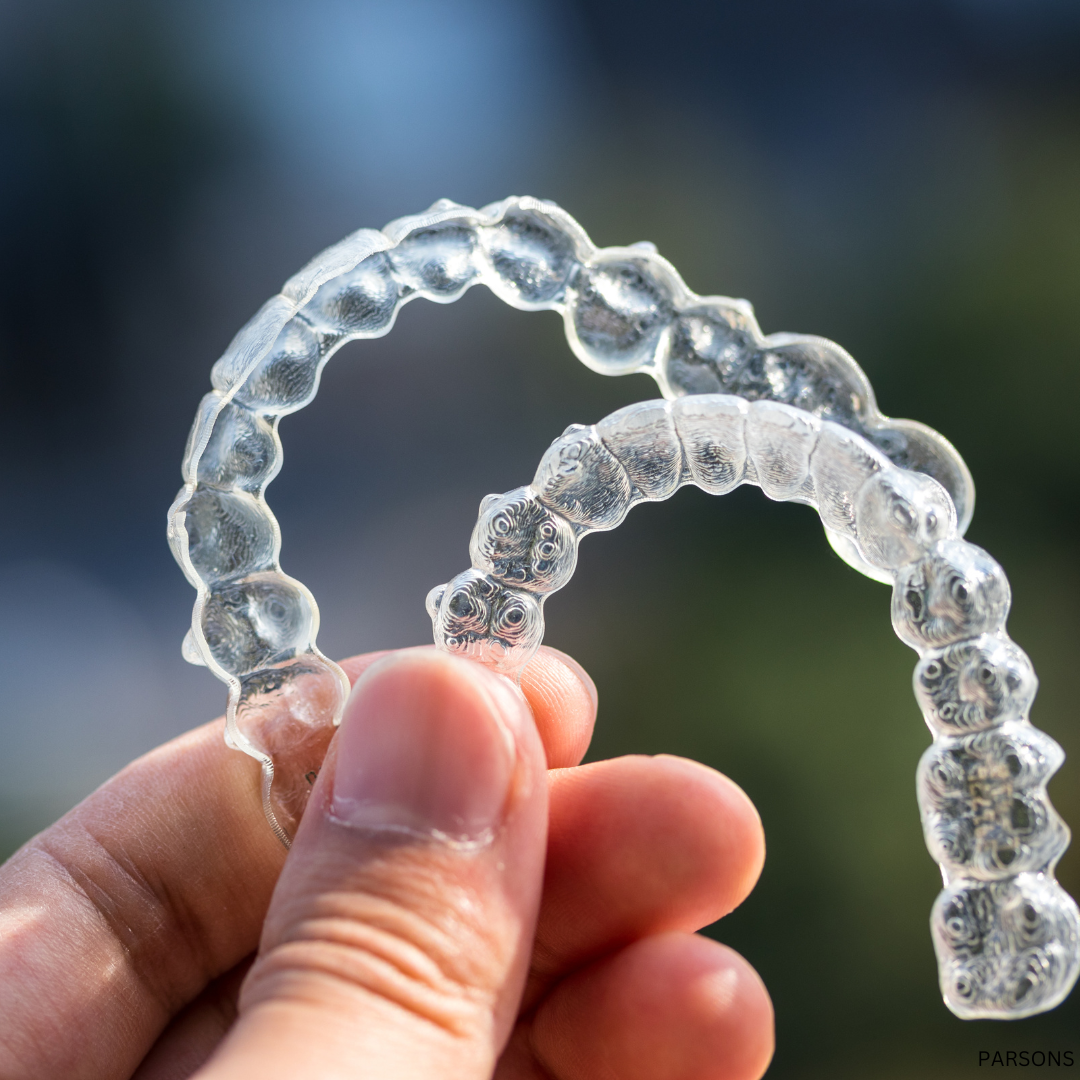
Imagine a world where you can straighten your teeth without anyone noticing. Invisalign makes that dream a reality. These nearly invisible aligners have transformed orthodontics, offering an alternative to braces that’s as effective as it is convenient. But with all the buzz surrounding Invisalign, one question remains: How much does it cost?
Invisalign isn’t just a treatment—it’s a tailored experience. The cost depends on your unique needs, from how much your teeth need to move to the expertise of your orthodontist. Whether you’re seeking a subtle tweak or a complete transformation, this guide will walk you through Invisalign pricing, what influences the cost, and why it could be the best investment you make for your smile.
Average Cost of Invisalign Treatment
When considering Invisalign, understanding the cost breakdown is crucial to making an informed decision. The price of treatment depends on several factors, including your geographic location, the orthodontist’s expertise, and the complexity of your orthodontic issues. Below is a detailed guide to the average costs based on the severity of the case:
1. Mild Cases: $3,000 - $4,500
Mild cases are typically the most affordable Invisalign treatments because they require fewer aligners and shorter treatment durations. These cases often involve subtle adjustments to improve smile aesthetics or correct minor alignment problems.
- Examples:
- Small gaps between teeth.
- Slightly crooked teeth.
- Minor relapse from previous orthodontic treatments.
- Duration:
- Treatments usually last between 6 and 12 months.
- Ideal Candidates:
- Patients with generally healthy teeth and no significant bite issues.
2. Moderate Cases: $4,500 - $6,000
Moderate cases involve more significant orthodontic corrections, such as improving bite function or addressing moderate crowding or spacing. These cases require more aligners and a longer treatment period compared to mild cases.
- Examples:
- Overbites or underbites that affect functionality.
- Moderate crowding, where teeth overlap or are misaligned.
- Larger gaps between teeth that impact both aesthetics and oral health.
- Duration:
- Treatments typically last 12 to 18 months.
- Ideal Candidates:
- Patients seeking a balance between cosmetic improvements and functional corrections.
3. Severe Cases: $6,000 - $8,000
Severe cases represent the most complex Invisalign treatments, addressing major bite issues, significant crowding, or other functional problems. These cases require a high level of customization and may include additional features such as attachments, elastics, or refinement aligners.
- Examples:
- Deep bites or open bites.
- Severe crowding or misalignment requiring extensive tooth movement.
- Complex jaw misalignments impacting chewing or speech.
- Duration:
- Treatments often last 18 to 24 months or longer.
- Ideal Candidates:
- Patients who need comprehensive corrections to improve oral function, aesthetics, and long-term dental health.
While these figures are general estimates, your orthodontist will provide a personalized quote after assessing your specific needs.
Factors That Affect the Cost of Invisalign
Several factors play a role in determining the final cost of Invisalign treatment. Understanding these elements can help you better anticipate expenses and make an informed decision about your orthodontic care.
1. Complexity of Your Case
The complexity of your orthodontic issues is the most significant factor in determining Invisalign costs. Simple cases, such as minor spacing or alignment corrections, are less time-intensive and require fewer aligners, making them more affordable. On the other hand, moderate cases, including crowding or mild bite issues, require additional aligners and adjustments, which increases the cost. For severe cases, such as overbites, underbites, or significant jaw misalignments, treatment involves more customization and additional tools like attachments or elastics. These complex cases demand longer treatment times and higher expenses due to the extensive effort required to achieve the desired results.
2. Treatment Duration
The length of your Invisalign treatment directly affects the cost. Simple cases with minor corrections can be completed in as little as 6 months, while moderate to severe issues may require up to 18 to 24 months of treatment. Longer treatment durations involve more aligners and frequent orthodontic visits to monitor progress and make adjustments. Each additional aligner and check-in contributes to the overall expense, which is why shorter treatments typically cost less. Your orthodontist will assess the expected timeline during your consultation to provide a clear estimate of the total cost.
3. Orthodontist’s Experience
The expertise of your orthodontist also impacts the cost of Invisalign. Highly experienced orthodontists or those with advanced Invisalign certifications often charge higher fees. While this may increase the upfront cost, their expertise ensures more precise treatment, quicker results, and fewer complications, making it a worthwhile investment. Choosing an experienced orthodontist can reduce the likelihood of needing additional refinements or adjustments, ultimately saving you time and money in the long run.
4. Location
Your geographic location plays a significant role in determining Invisalign costs. Urban areas or regions with a higher cost of living, such as West Palm Beach, generally have higher treatment fees compared to smaller towns or rural areas. Additionally, local competition and market demand can influence pricing. Consulting with local orthodontists will give you a better idea of what to expect for Invisalign treatment in your area.
5. Insurance Coverage
Dental insurance can significantly offset the cost of Invisalign treatment. Many modern dental plans now include coverage for orthodontic treatments like Invisalign. Depending on your policy, insurance may cover a portion of the total cost, typically ranging from $500 to $2,000. Reviewing your insurance benefits and consulting with your provider can help you understand how much of the cost will be covered and what your out-of-pocket expenses might be. Some orthodontic practices, like Parsons Orthodontics, offer assistance with navigating insurance claims to ensure you maximize your benefits.
By considering these factors, you can better understand the pricing of Invisalign and make a well-informed decision about your orthodontic care.
How to Make Invisalign More Affordable
Invisalign is an excellent investment in your smile, but it’s no secret that the cost can feel overwhelming. Fortunately, there are several strategies to make this treatment more accessible without compromising quality. Let’s explore some practical ways to manage Invisalign expenses and fit orthodontic care into your budget:
Flexible Payment Plans
Most orthodontists, including Parsons Orthodontics, offer flexible payment plans to help patients spread the cost of Invisalign over several months or even years. These plans often come with low or zero-interest financing options, allowing you to budget for treatment without paying the entire amount upfront.
- How It Works:
- The total cost of treatment is divided into manageable monthly installments.
- Payment terms are typically customized based on your needs and financial situation.
- Why It Helps:
- Reduces the financial burden of a lump-sum payment.
- Allows you to start treatment immediately without waiting to save the full amount.
At Parsons Orthodontics, we’ll work with you to create a plan that aligns with your financial goals while ensuring high-quality care.
Insurance Benefits
Many dental insurance plans now cover Invisalign as part of their orthodontic benefits. Coverage can significantly reduce your out-of-pocket costs, making treatment more affordable.
- What to Check:
- Does your insurance policy include orthodontic coverage?
- Is Invisalign explicitly listed as an eligible treatment?
- How It Helps:
- Most policies cover a portion of the cost, typically ranging from $500 to $2,000.
- Some plans offer discounts if the orthodontist is in-network.
At Parsons Orthodontics, we assist patients in navigating their insurance benefits to maximize coverage and minimize expenses. Be sure to bring your insurance details to your consultation so we can help estimate your costs.
Health Savings Accounts (HSA) or Flexible Spending Accounts (FSA)
If you have an HSA or FSA, you can use these accounts to pay for Invisalign using pre-tax dollars, which can lead to substantial savings.
- How It Works:
- HSAs and FSAs allow you to set aside money from your paycheck before taxes for medical expenses.
- Funds can be used directly to pay for Invisalign treatment.
- Why It Helps:
- Lowers your taxable income, effectively reducing the overall cost of treatment.
- Provides a convenient way to allocate funds for healthcare expenses throughout the year.
If you’re unsure how to use these accounts for Invisalign, our team at Parsons Orthodontics can guide you through the process and ensure you’re maximizing your benefits.
Seasonal Promotions or Discounts
Many orthodontic practices, including ours, offer special promotions or discounts during specific times of the year. These seasonal deals can significantly lower the cost of Invisalign, making it a great time to start treatment.
- Examples of Promotions:
- Discounts on consultations or treatment start fees.
- Bundled packages that include retainers or whitening services.
- How to Take Advantage:
- Follow your orthodontist on social media or subscribe to their newsletter to stay updated on offers.
- Ask about any ongoing promotions during your consultation.
At Parsons Orthodontics, we frequently offer discounts to help patients access Invisalign at an affordable rate.
Invisalign vs. Traditional Braces: Which Is Right for You?
When deciding between Invisalign and traditional braces, cost is only one piece of the puzzle. Each option has its own set of benefits and drawbacks, and the best choice depends on your specific needs and lifestyle.
- Appearance: Invisalign is nearly invisible, making it a popular choice for adults and teens who want a discreet treatment. Traditional braces are more noticeable but are available in clear or ceramic options for a subtler look.
- Comfort: Invisalign aligners are smooth and less likely to irritate your mouth. Braces, with brackets and wires, can cause initial discomfort and require adjustments.
- Maintenance: Invisalign aligners are removable, allowing you to eat and brush without restrictions. Braces require more careful cleaning and dietary adjustments to avoid damage.
- Cost: Invisalign typically costs slightly more than traditional braces due to its advanced technology and customization. However, both options are highly effective for achieving a straight, healthy smile.
At Parsons Orthodontics, we’ll help you weigh the pros and cons of each treatment and choose the one that best suits your needs, goals, and budget.
Braces vs. Invisalign: A Cost and Benefits Comparison
When deciding between traditional braces and Invisalign, cost is often a deciding factor, but it’s also essential to weigh the benefits of each option. Invisalign may come with a slightly higher price tag, but its unique advantages make it a preferred choice for many patients, especially teens and adults who prioritize aesthetics and comfort. Let’s explore how the two compare.
Cost Comparison
- Invisalign: Typically costs between $3,000 and $8,000, depending on the severity of the case and treatment duration.
- Traditional Braces: Range from $2,500 to $7,500, making them slightly more affordable.
The higher cost of Invisalign is due to its advanced technology, including custom-designed aligners and digital treatment planning. However, the additional cost often comes with significant lifestyle benefits.
Advantages of Invisalign
- Discreet Appearance
Invisalign aligners are made of clear plastic, making them nearly invisible. This feature is particularly appealing to adults and teens who want to straighten their teeth without the noticeable appearance of metal braces. Traditional braces, while effective, are much more visible, even with options like ceramic brackets. - Removability
Invisalign aligners can be removed for eating, brushing, flossing, and special occasions. This flexibility allows patients to enjoy their favorite foods without restrictions and maintain better oral hygiene. On the other hand, traditional braces require dietary adjustments, such as avoiding sticky, hard, or crunchy foods, which can damage brackets and wires. - Comfort
Invisalign aligners are made from smooth, BPA-free plastic, which reduces the risk of irritation to the gums and cheeks. Traditional braces use metal brackets and wires that can cause soreness, especially after adjustments, and may lead to cuts or abrasions inside the mouth. - Fewer Orthodontic Visits
With Invisalign, patients typically visit their orthodontist less frequently, as aligners are pre-made and require fewer manual adjustments. Traditional braces require regular appointments to tighten wires and monitor progress, which can be more time-consuming.
Advantages of Traditional Braces
- Cost-Effectiveness
Traditional braces are generally more affordable, making them a viable option for families on a budget. - Versatility
Braces are effective for all types of orthodontic cases, including severe misalignments, bite issues, and complex jaw corrections. Invisalign, while capable of handling many cases, may not be suitable for the most severe orthodontic problems. - No Need for Discipline
Since traditional braces are fixed, patients don’t have to worry about forgetting to wear aligners or losing them. Invisalign requires patients to wear aligners for 20-22 hours a day to achieve optimal results, which can be challenging for some individuals.
Which Option is Right for You?
Choosing between Invisalign and traditional braces depends on several factors, including your budget, the complexity of your case, and your lifestyle preferences. While braces may be a more affordable option, Invisalign offers unmatched comfort, convenience, and aesthetic appeal.
At Parsons Orthodontics, we specialize in both Invisalign and traditional braces. Our experienced team will assess your specific needs and help you decide which option aligns best with your goals. Schedule a consultation today to start your journey toward a confident, healthy smile!
Ready to Transform Your Smile with Invisalign?
Invisalign is a game-changer for anyone looking for a discreet and effective way to straighten their teeth. Contact Parsons Orthodontics in West Palm Beach today to schedule your free consultation. Let us guide you through the process and help you achieve the smile you’ve always wanted—comfortably and confidently.

